










The Ultimate Guide to the Apple Watch for Seniors: Fall Detection, Emergency SOS & Health Alerts
Updated on | 9 mins readThe Ultimate Guide to the Apple Watch for Seniors: Fall Detection, Emergency SOS & Health Alerts
Imagine receiving a notification on your iPhone while you’re at work. It’s not a text, an email, or a calendar reminder. It’s an alert letting you know your aging parent has taken a hard fall, followed immediately by a message that emergency services have already been contacted.
For millions of adult children and caregivers, the constant, quiet worry about an elderly loved one living alone is a heavy burden to carry. We want them to maintain their independence, but we also want the peace of mind knowing they are safe.
Enter the Apple Watch.
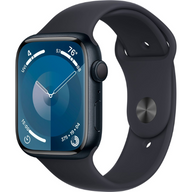
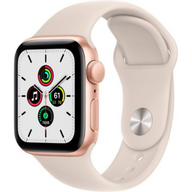
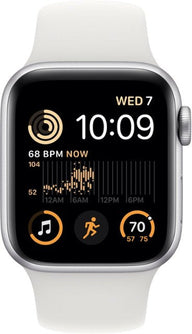
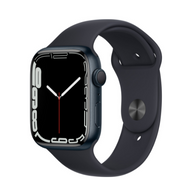
What was once viewed strictly as a trendy gadget for tech enthusiasts and fitness buffs has rapidly evolved into one of the most powerful, unobtrusive health and safety tools available today. In this guide, we’ll explore how a Plug Certified Apple Watch can replace outdated medical alert systems, serving as a comprehensive safety net right on your loved one's wrist.
Moving Beyond Traditional Medical Alert Pendants
For decades, the standard solution for senior safety was a bulky plastic pendant with a bright red button. While functional, these traditional medical alert systems come with significant drawbacks:
- The Stigma: Many seniors refuse to wear them because they feel like a glaring, uncomfortable symbol of fragility.
- The Forgetfulness Factor: A pendant only works if it’s worn. Many seniors take them off to shower or sleep and forget to put them back on.
- Limited Functionality: Traditional alerts only do one thing: call for help when a button is pressed. If the wearer is unconscious, the button is useless.
The Apple Watch flips this script entirely. It looks like a sleek, modern timepiece, effectively removing the stigma associated with medical devices. If you are searching for a dependable smart watch for mom or dad, an Apple Watch is something they will actually want to wear.
Core Safety Features: Like Having a Caregiver on the Wrist
The true magic of the Apple Watch lies in its passive monitoring. It watches out for the wearer without requiring them to do anything at all.
How Fall Detection Actually Works
It’s incredibly common to wonder how a watch on a wrist can tell the difference between a person falling down and a person enthusiastically swatting a fly.
The Apple Watch uses highly sensitive internal sensors—specifically an accelerometer and a gyroscope. Think of these as a tiny, highly intelligent digital compass and level combined. They measure the speed of movement and the angle of the wrist. Apple fed thousands of hours of data from real human falls into their algorithms.
Because of this, the watch can recognize the specific, abrupt trajectory and impact of a genuine fall. If it detects a hard tumble, it taps the wearer on the wrist, sounds an alarm, and displays an on-screen alert.
- If the wearer is fine, they can simply tap "I'm OK."
- If the watch detects no movement for about a minute after the fall, it automatically calls emergency services and sends a message with the wearer's location to their emergency contacts.
Emergency SOS and Medical ID
In a crisis, time and information are critical. The Emergency SOS feature allows the user to press and hold the side button on the watch to immediately connect with local emergency services.
Paired with this is the Medical ID feature—essentially a digital medical bracelet. First responders can view critical health information directly from the Apple Watch face without needing a passcode. This includes allergies, underlying conditions, blood type, and current medications, ensuring medical personnel make informed decisions when seconds count.
Proactive Health Monitoring for Peace of Mind
Beyond emergency response, the Apple Watch excels at everyday health tracking, helping users catch potential issues before they become emergencies.
Irregular Heart Rhythm Notifications & ECG
Atrial fibrillation (AFib) is a leading cause of stroke, and it often goes undiagnosed in older adults because the symptoms can be intermittent. The Apple Watch periodically checks heart rhythms in the background. If it detects an irregular rhythm that appears to be AFib, it sends an alert.
Newer models also feature a built-in electrocardiogram (ECG). By simply resting a finger on the Digital Crown, the wearer can take a 30-second ECG reading that can be exported as a PDF to share with their doctor. If you are learning how to set up ecg on health app, it takes just a few moments on the paired iPhone, but the potentially life-saving benefits run around the clock.
Medication Reminders: No More Pillbox Confusion
Managing multiple prescriptions is a daily hurdle for many seniors. The Apple Watch integrates seamlessly with the Apple Health app to provide medication reminders. Instead of a jarring smartphone alarm, the watch delivers a gentle tap on the wrist. Users can log that they’ve taken their medication directly on the watch face, providing a clear record for caregivers to review later.
Why Choose a Plug Certified Device?
Equipping an elderly relative with top-tier technology shouldn't require draining their savings. Many caregivers hesitate to purchase brand-new devices due to the high retail costs, worrying that the investment might be lost if the senior misplaces or damages it.
This is where buying certified Plug devices changes the equation. Plug bridges the gap between premium tech and affordability. Every Plug Certified Apple Watch undergoes rigorous testing and cleaning to ensure it functions identically to a brand-new device. Furthermore, knowing you have the backing of Plug's 12-Month Warranty means you get total peace of mind without the premium price tag.
Setting Up for Success: A Caregiver’s Checklist
Handing a complex piece of technology to an older adult can be overwhelming. The secret is to configure the device before they put it on. If you are researching how to set up Apple Watch features specifically for seniors, keep this quick checklist in mind:
- Simplify the Watch Face: Remove unnecessary widgets (complications). Use a face like "Modular" or "X-Large" to display the time, the date, and a prominent button for heart rate or medications.
- Increase Text Size and Bold Text: Make notifications incredibly easy to read without reaching for reading glasses.
- Turn On Fall Detection: (Note: Fall Detection automatically turns on if the user's age entered in the Health app is 55 or over, but it is always best to manually verify).
- Complete the Medical ID Profile: Ensure all medications, allergies, and emergency contacts are fully up-to-date.
- Adjust Haptic Feedback: Turn the wrist-tap notifications to "Prominent" so they don't miss important alerts.
Frequently Asked Questions (FAQ)
Does an Apple Watch require an iPhone to work?Yes, an Apple Watch requires an iPhone for initial setup. However, Apple offers a feature called "Family Setup." This allows a caregiver to set up an Apple Watch for a senior using the caregiver's iPhone. The senior gets their own phone number and account on the watch, without needing to own an iPhone themselves. (Note: This requires an Apple Watch with Cellular capabilities).
Will Fall Detection call 911 if they just bump their arm?It is highly unlikely. The algorithms are specifically designed to look for the distinct impact and subsequent stillness of a severe fall. In the rare event of a false alarm, the watch provides an audible warning and gives the wearer a full minute to cancel the alert.
How often does the Apple Watch need to be charged?Most Apple Watches require daily charging. A great routine for seniors is to place the watch on its charger while they are showering and getting ready in the morning, or while winding down for bed, ensuring it has enough battery to monitor them through the night and the following day.
The Next Step in Senior Independence
Transitioning to a wearable health monitor is a big step, but it doesn't have to be a daunting one. By framing the Apple Watch not as a "medical device," but as a beautiful, helpful accessory that keeps them connected to their family, seniors are far more likely to embrace the technology.
By taking advantage of the robust safety ecosystem Apple provides—and the affordable accessibility of Plug Certified tech—you aren't just buying a gadget; you are buying independence, safety, and a good night's sleep for everyone involved.


