





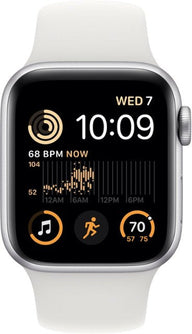


Picture this: You are halfway through your morning run, hitting your stride and feeling great, when you suddenly realize you left your iPhone on the kitchen counter.
For some people, this is a moment of pure, disconnected bliss. For others, it’s a moment of mild panic—what if the kids’ school calls? What if there's an emergency?
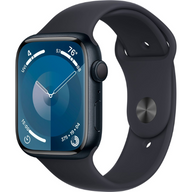
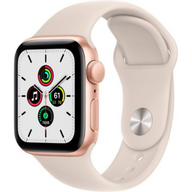
This exact divide captures the core decision you face when choosing an Apple Watch. The choice between a Cellular and a GPS-only model isn't just about technical specifications; it’s about how you want to live your daily life, the level of connectivity you need, and how those factors balance against your budget.
If you are exploring the world of Plug Certified wearables, understanding these nuances is your first step toward finding the perfect wrist companion. Let’s break down the differences, the hidden trade-offs, and how to decide if the added independence of a cellular connection is truly worth the investment for you.
Understanding the Core Technologies
Before we dive into lifestyle scenarios, it is helpful to understand how these two versions of the Apple Watch actually function.
The GPS-Only Apple Watch
Think of the GPS-only model as an incredibly smart extension of your iPhone. It uses Bluetooth and Wi-Fi to communicate with your phone. As long as your iPhone is nearby (usually within about 30 to 50 feet), your watch can do everything: receive calls, send texts, and stream music.
When you leave your iPhone behind, the GPS-only watch doesn't become a paperweight, but its functionality is reduced. It can still use its internal GPS to track your run, monitor your heart rate, and play music or podcasts that you have physically downloaded to the watch's internal storage beforehand. However, you will not receive live notifications, texts, or calls.
The Cellular (LTE) Apple Watch
A cellular Apple Watch features a built-in eSIM. This means it can connect directly to your mobile carrier's cellular network, just like your phone does.
With a cellular model, you can leave your iPhone at home entirely. You can run on the beach, go grocery shopping, or paddleboard in the middle of a lake, and still make calls, reply to text messages, stream live music, and use emergency services. It offers true, untethered independence.
The Case for Cellular: When True Independence Matters
Why do people choose to pay more for cellular connectivity? The research reveals a few distinct scenarios where that independent connection shifts from a "nice-to-have" to an absolute necessity.
1. The Minimalist Athlete
Runners, cyclists, and swimmers often hate carrying bulky phones. A cellular Apple Watch allows athletes to stream their favorite Spotify or Apple Music playlists live, get turn-by-turn map directions, and stay reachable for urgent family matters—all with nothing weighing down their pockets.
2. The Ultimate Safety Net
Accidents happen. Whether you are walking the dog late at night or your car breaks down when your iPhone battery is dead, a cellular Apple Watch provides a crucial lifeline. As long as you have a cellular signal, you can call for help.
3. Family Setup (The Hidden Superpower)
One of the least understood but most powerful features of the cellular Apple Watch is "Family Setup." This Apple feature allows you to set up an Apple Watch for a family member—like a child or an older parent—who does not own their own iPhone.
Using your iPhone, you can configure their watch, manage who they can contact, and track their location. However, Family Setup exclusively requires a cellular Apple Watch. A GPS-only model cannot be used for this feature. If you are looking for a way to stay connected to your kids without buying them a full smartphone, a Plug Certified cellular Apple Watch is one of the most cost-effective solutions available.
The Financial Breakdown: Weighing the Costs
Independence sounds great, but how does it impact your wallet? There are two financial factors to consider: the upfront hardware cost and the ongoing monthly service fees.
Upfront Hardware Costs
Historically, buying a brand-new cellular Apple Watch meant paying a steep premium over the GPS-only version. This is where choosing a Plug Certified device changes the math. By opting for a device certified by Plug, you bypass the heavy retail markup. Often, you can secure a Plug Certified cellular model for a similar price to what you would pay for a brand-new GPS-only model elsewhere, entirely offsetting that initial "cellular tax."
Ongoing Carrier Fees
To actually use the cellular features away from your iPhone, you must add the watch to your mobile carrier's data plan. In the United States, major carriers typically charge between $5 and $10 per month (plus taxes and fees) for wearable lines. Over a year, this adds roughly $60 to $120 to your phone bill.
The "Aha" Moment: Did you know you can buy a cellular Apple Watch and simply choose not to activate the cellular plan? Many users buy a cellular model because they prefer a specific casing material (which we'll discuss below), or because they want the option to activate data in the future. Until you activate the plan with your carrier, a cellular watch behaves exactly like a GPS-only watch, and you pay zero monthly fees.
Hidden Trade-Offs: What the Spec Sheets Don't Tell You
Beyond cost, there are functional realities you should know before making your choice.
Battery Life Realities
A common misconception is that cellular Apple Watches inherently have worse battery life. The truth is more nuanced. When your cellular Apple Watch is near your iPhone, it defaults to using Bluetooth to save power. In this state, the battery life is identical to a GPS-only model.
However, when you leave your iPhone behind and force the watch to search for and use an LTE tower, battery consumption spikes. A one-hour run using GPS and streaming music over LTE will drain your battery significantly faster than the same run on a GPS-only watch playing locally downloaded music.
Premium Materials Require Cellular
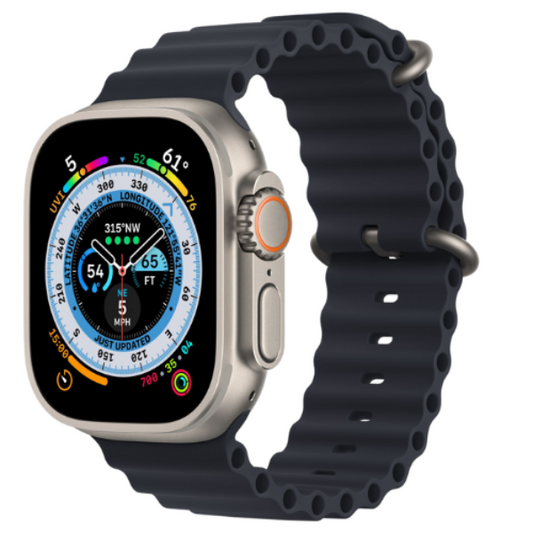
If you are particular about aesthetics, this rule is vital: Apple generally reserves its premium case materials—like Stainless Steel and Titanium—exclusively for cellular models. The aluminum casings are available in both GPS and cellular, but if you want that shiny, heavy-duty stainless steel look, you will almost certainly be purchasing a cellular model, regardless of whether you ever activate the data plan.
How to Make Your Decision
Choosing the right model comes down to a simple self-assessment:
A GPS-only model is likely perfect for you if:
- Your iPhone is almost always in your pocket or purse.
- You want the most budget-friendly entry into the Apple Watch ecosystem.
- You don't mind spending five minutes downloading music to your watch before a workout.
- You want to avoid any additional monthly carrier fees.
A Cellular model is worth the investment if:
- You frequently exercise or run errands and want to leave your iPhone at home.
- You are buying the watch for a child or parent who does not have an iPhone (Family Setup).
- You want the security of being able to make emergency calls without your phone.
- You prefer the look of premium stainless steel or titanium casings.
Whichever path you choose, buying a Plug Certified device means you are getting rigorously tested, high-quality technology. Plus, every watch is backed by Plug's 12-Month Warranty, giving you the exact same peace of mind you’d expect from buying new, but at a fraction of the cost.
Frequently Asked Questions (FAQ)
Do I need a separate phone number for my Apple Watch?
No. When paired with your iPhone, your cellular Apple Watch shares your primary phone number. When someone calls your iPhone, your watch will ring simultaneously. The only exception is if you are using Family Setup for a child or parent, in which case the carrier will assign the watch its own unique phone number.
Can I stream Spotify or Apple Music on a GPS-only watch without my iPhone?
You cannot stream music live over the internet without your iPhone nearby. However, if you have a premium subscription to these services, you can download playlists directly to the watch's internal storage while at home, and listen to them offline during your workout.
Does a cellular Apple Watch work internationally?
Generally, no. Most cellular Apple Watches do not support international roaming for data and calls when away from your iPhone. When traveling abroad, your cellular watch will effectively function as a GPS-only watch, relying on your iPhone’s Bluetooth or local Wi-Fi networks.
What if I buy a cellular model but later decide I don't want to pay the monthly fee?
You can cancel the wearable data plan with your mobile carrier at any time. Your Apple Watch will not stop working; it will simply revert to functioning exactly like a GPS-only model, requiring your iPhone to be nearby for calls and live data.
Next Steps on Your Apple Watch Journey
Deciding between a Cellular and GPS-only Apple Watch is ultimately about deciding how tethered you want to be to your smartphone. Whether you crave the absolute freedom of the cellular model or prefer the simplicity and cost savings of the GPS-only version, understanding your daily habits makes the choice clear.
Ready to see how affordable upgrading your wrist wear can be? Exploring the current inventory of Plug Certified Apple Watches allows you to compare different models, colors, and conditions. With free shipping, 30-day hassle-free returns, and the security of a 12-Month Plug Warranty, finding the perfect technology to fit your lifestyle has never been easier.