


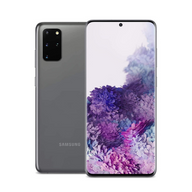
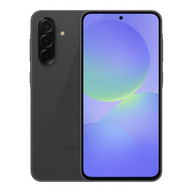


Device Compatibility for Plug Boost Mobile Plans: What to Know About Locked Phones
Updated on | 8 mins readDevice Compatibility for Plug Boost Mobile Plans: What to Know About Locked Phones
You finally get that highly anticipated device in your hands, eagerly pop in your SIM card, and instead of seeing those glorious signal bars, you’re greeted with a frustrating error: "SIM Not Supported."
It’s a scenario that happens all too often. As you navigate the world of smartphone upgrades, one of the most critical—yet often misunderstood—factors is device compatibility. If you are considering bringing your own device to Plug mobile plans, understanding the difference between a locked and an unlocked phone is your first step to a seamless, stress-free activation.
Let’s break down the technical jargon and explore exactly how device compatibility works, why your phone's lock status matters, and how you can ensure your next device is ready for action.
The Foundation: Understanding Locked vs. Unlocked Phones
To understand compatibility, it helps to use a simple analogy. Think of a carrier-locked phone as a house with a very specific lock. The carrier (like AT&T, Verizon, or T-Mobile) gives you a key (the SIM card) that only opens their door. If you try to use a key from another carrier, the door simply won't budge. Carriers lock phones to keep you on their network, usually because the phone was purchased on an installment plan or subsidized under a contract.
On the other hand, an unlocked phone holds the master key. The software restrictions have been removed, allowing the device to accept SIM cards from almost any compatible network provider.
Myth vs. Fact: The "Any Unlocked Phone" Misconception
The Myth: If a phone is unlocked, it will automatically work perfectly on any network in the world.The Fact: While being unlocked is a requirement, hardware matters too. Your phone still needs the internal antennas to communicate with a specific carrier’s network bands. This is why people frequently search for answers to questions like, "will an 'unlocked' samsung galaxy s22 work with my carrier?" The short answer is yes, provided it supports the right network frequencies.
The Role of the IMEI Number in Network Compatibility
If the lock status is the "door," your phone’s IMEI (International Mobile Equipment Identity) is its digital fingerprint. Every smartphone in the world has a unique 15-digit IMEI number.
When you use a compatibility checker, the system scans this fingerprint to verify two things:
- Network Capability: Does the device have the right internal technology (like 4G LTE or 5G bands) to communicate with the network?
- Financial/Security Status: Is the phone reported lost, stolen, or tied to an unpaid carrier bill?
How to find your IMEI:
- On an iPhone: Go to Settings > General > About.
- On Android: Go to Settings > About Phone.
- Universal Shortcut: Dial *#06# on your phone’s keypad.
Running your IMEI through a compatibility checker is the absolute best way to ensure your phone will play nicely with your new plan.
Will My Phone Work? Navigating Network Technology
Historically, cell phone networks in the U.S. were split between two technologies: CDMA (used by Verizon and Sprint) and GSM (used by AT&T and T-Mobile). You couldn't easily swap phones between them.
Today, thanks to the widespread adoption of 4G LTE and 5G, the lines have blurred. Modern smartphones are built to handle multiple network types. However, if you are shopping for older devices or specific gsm unlocked phones, it is still crucial to verify that the device matches the network technology your plan utilizes.
When weighing the pros and cons of a refurbished iPhone unlocked vs carrier-locked, an unlocked device offers the ultimate freedom, especially if you plan to switch carriers or travel internationally.
How to Check and Unlock Your Device
If you already own a phone and want to use it with a Plug Boost Mobile plan, follow this simple roadmap to ensure compatibility:
Step 1: Check Your Lock Status
- iPhone Users: Go to Settings > General > About. Scroll down to "Carrier Lock." If it says "No SIM restrictions," your phone is unlocked.
- Android Users: Go to Settings > Connections > Mobile Networks > Network Operators. If you can search for and select different networks, your phone is likely unlocked.
Step 2: Request a Carrier Unlock (If Needed)
If your phone is locked, you must contact your current carrier to unlock it. Every carrier has specific requirements (usually requiring the device to be paid off and active on their network for 60 to 90 days).
- AT&T: Visit their online device unlock portal.
- Verizon: Devices automatically unlock 60 days after purchase.
- T-Mobile: Use the "Device Unlock" app on Android, or contact support for an iPhone.
Pro-Tip: Don't wait until the day you want to switch plans. Carrier unlocking can take anywhere from 24 to 72 hours to complete!
Step 3: Avoid Common Pitfalls
Many consumers wonder if they can use a locked us cellular phone on a different network simply by swapping the SIM card. Unfortunately, a locked phone will outright reject a new carrier's SIM card until the original carrier removes the software lock.
The Plug Certified Advantage
Navigating IMEI checkers, network bands, and carrier unlock policies can be overwhelming. This is exactly why choosing a certified by Plug device simplifies the entire process.
When you purchase a Plug Certified device, you are getting technology that has undergone rigorous testing and quality control. Because Plug specializes in offering high-quality, reliable unlocked phones, you don't have to guess whether your new device will be compatible with your carrier.
Whether you are upgrading your daily driver to an iPhone 13 or equipping yourself with an iPhone 14 for your next adventure, every Plug Certified device is guaranteed to be fully functional, cosmetically graded with accuracy, and ready for activation. Plus, every device is backed by Plug's 12-Month Warranty, giving you the same peace of mind you’d get buying brand new, but at a fraction of the cost.
Frequently Asked Questions (FAQ)
Can I put a Boost Mobile SIM in a locked phone?
No. If your phone is locked to a carrier like AT&T or Verizon, it will not accept a Boost Mobile SIM card. The phone must be carrier-unlocked first.
How long does it take for a carrier to unlock my phone?
Once you submit an unlock request and meet your carrier's requirements (like paying off the device), it typically takes between 24 and 72 hours for the unlock to process.
Does unlocking my phone affect its performance or features?
Not at all! Unlocking a phone strictly removes the software barrier preventing you from using other networks. It does not delete your data, alter your camera quality, or affect your apps.
Do I need to worry about compatibility if I buy from Plug?
Plug clearly labels the carrier status of its devices. By selecting an "Unlocked" device from Plug's inventory, you can confidently activate it on your preferred network without the hassle of contacting previous carriers.
Ready for Your Next Upgrade?
Understanding device compatibility doesn't have to require a degree in computer science. By knowing the difference between locked and unlocked devices and understanding the importance of your IMEI number, you are well on your way to making empowered, cost-effective tech decisions.
If you're ready to explore a seamless mobile experience without the premium price tag, dive into our wide selection of Plug Certified devices today.


