


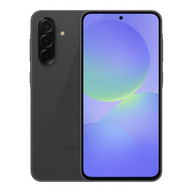











Refurbished Google Pixel 8 vs. Pixel 7: A Value Comparison for Smart Upgraders
Updated on | 9 mins readYou’re staring at your current phone, feeling that familiar itch. It’s a bit slow, the battery barely makes it to dinner, and the new AI-powered camera tricks you see online are tempting. You’ve decided a Google Pixel is your next move, but the price of a brand-new model makes you pause.
Then you discover the world of refurbished phones, and the real question emerges: Is it smarter to get a top-tier refurbished Pixel 7 for a great price, or spend a little more on a refurbished Pixel 8 to get the latest tech?
It’s a fantastic question, and the answer isn’t just about saving money—it’s about maximizing value. Let’s break it down like a conversation over coffee, so you can make an upgrade you’ll feel great about for years to come.
Before We Compare Phones, Let's Talk 'Refurbished'
The word "refurbished" can cause some confusion. It’s not the same as buying a "used" phone from a stranger online. Think of it more like "certified pre-owned."
A genuinely refurbished phone, especially from a trusted seller, has gone through a rigorous process:
- Comprehensive Testing: Technicians check everything from the battery health and screen responsiveness to the cameras and speakers.
- Repairs and Replacements: If any component doesn't meet a high standard, it’s repaired or replaced. That weak battery? It often gets replaced.
- Data Wiped and Sanitized: The device is completely wiped of previous user data and thoroughly cleaned.
- Certification and Warranty: The best refurbished devices come with a certification of their condition and, most importantly, a warranty. This is your peace of mind, protecting you from defects and ensuring you get what you paid for.
Understanding this process is key because it means you’re not just getting a secondhand device; you’re getting a device that has been professionally inspected and restored to meet specific quality standards.

Pixel 8 vs. Pixel 7: The Key Upgrades on Paper
Now that we’re on the same page about quality, let's look at what separates these two Pixel generations. While they look similar, the Pixel 8 introduced some significant internal upgrades.
Here’s a quick rundown of the main differences:
- Processor (The Brain): The Pixel 7 uses the Tensor G2 chip, while the Pixel 8 has the newer, more powerful Tensor G3. This isn't just about speed; the G3 is specifically designed to handle Google's advanced AI and machine learning features.
- Display (The Window): The Pixel 8 features a brighter "Actua" display with a 120Hz refresh rate, making scrolling feel smoother and outdoor viewing easier. The Pixel 7’s display is still excellent, but maxes out at a 90Hz refresh rate and isn't quite as bright.
- Camera (The Magic): Both phones take incredible photos, but the Pixel 8's hardware and Tensor G3 chip unlock exclusive AI-powered editing tools like "Best Take" (which lets you swap faces in group shots) and "Magic Editor."
- Software Support (The Lifespan): This is a huge one. Google promises 5 years of security and OS updates for the Pixel 7. With the Pixel 8, they made a massive leap, promising a full 7 years of updates.

Beyond the Specs: How the Differences Feel in the Real World
Spec sheets are helpful, but they don't tell the whole story. How do these upgrades translate to your daily life?
The AI Magic: Is the Tensor G3 Chip a Game-Changer?
For most day-to-day tasks—browsing, texting, watching videos—the Pixel 7's Tensor G2 is more than capable. You won't feel like you're using a "slow" phone. Where the Pixel 8's Tensor G3 really shines is with its AI features.
If you take a lot of group photos and always struggle to get one where everyone looks good, the "Best Take" feature on the Pixel 8 is genuinely magical. If you love creative photo editing, "Magic Editor" feels like having a powerful editing suite right in your pocket. These are experiences the Pixel 7 simply can't offer.
The Display Debate: Brighter is Better, But is it Necessary?
The Pixel 8’s smoother, brighter screen is a noticeable and pleasant upgrade. If you use your phone outdoors a lot or are sensitive to screen fluidity, you’ll appreciate it. However, the Pixel 7’s 90Hz display is still wonderfully smooth and vibrant for indoor and typical use. It’s a classic "nice-to-have" vs. "need-to-have" situation.
The Longevity Factor: Why 7 Years of Updates Matters More Than You Think
This might be the most important difference for a smart upgrader. A phone's value isn't just what it does today, but how long it will continue to be a secure, functional, and modern device.
With 7 years of updates, a refurbished Google Pixel 8 is an investment that could easily last you until 2030. It will keep getting new features and crucial security patches long after the Pixel 7 stops receiving them. This not only improves your user experience over time but also significantly boosts its potential resale value if you decide to upgrade again in a few years. A refurbished Google Pixel 7 is still a fantastic device, but its software runway is shorter.
The Ultimate Question: Where is Your Money Best Spent?
So, how do you choose? There’s no single right answer—it all comes down to your priorities. Use this guide to find your perfect match.
You should choose a refurbished Pixel 7 if:
- Your Budget is the Top Priority: You can get a certified Pixel 7 for a fantastic price, delivering 90% of the core Pixel experience for significantly less money.
- You Upgrade Frequently: If you know you’ll be looking for a new phone in 2-3 years, the longer software support of the Pixel 8 is less of a factor.
- You Want a Proven Performer: The Pixel 7 is a well-loved, reliable phone that still takes incredible photos and runs smoothly. The basics are more than covered.
You should choose a refurbished Pixel 8 if:
- You Want to Maximize Longevity: You plan to keep your phone for as long as possible. The 7 years of software support makes the Pixel 8 the undisputed long-term value champion.
- You're an AI and Camera Enthusiast: You’re excited by the cutting-edge editing tools like Best Take and Magic Editor and want the best camera experience Google has to offer.
- You Value Future-Proofing: Spending a little more now gets you a more powerful chip, a better display, and years of extra software support, ensuring your phone feels modern for much longer.

Frequently Asked Questions (FAQ) for Smart Upgraders
What does 'battery health' mean on a refurbished phone?
This refers to the battery's ability to hold a charge relative to when it was new. Reputable sellers of certified pre-owned devices test the battery and ensure it meets a high standard (often 80% capacity or more). If it doesn't, it's typically replaced, so you're not stuck with a phone that dies by noon.
Do refurbished Pixels come with a warranty?
Yes, and this is a non-negotiable feature you should look for. A warranty (for example, 12 months) is a seller's promise that the device is free from defects. It’s the single biggest difference between buying a reliable refurbished phone and simply buying a "used" one.
How can I be sure I'm getting a quality refurbished phone?
Look for sellers who are transparent about their certification process, offer a comprehensive warranty, and have a hassle-free return policy. Customer reviews are also a great indicator of a company's commitment to quality.
Will a refurbished Pixel 7 feel slow compared to the Pixel 8?
For everyday use like scrolling social media, checking email, and watching videos, you are unlikely to notice a significant speed difference. The Tensor G2 is still a very powerful chip. The G3's advantages become more apparent when processing complex AI camera edits or playing the most demanding games.
Your Next Step to a Smarter Upgrade
Choosing between a refurbished Pixel 8 and Pixel 7 isn't about picking a "winner." It's about understanding the trade-offs and aligning your purchase with what you value most. The Pixel 7 offers incredible performance for its price, making it a budget-friendly powerhouse. The Pixel 8, on the other hand, is the smarter long-term investment, offering cutting-edge features and a lifespan that’s hard to beat.
Whichever you lean towards, you’re already making a smart choice by considering a certified device that saves you money and reduces e-waste.
Ready to see what's available? Exploring certified pre-owned phones is the perfect next step to see how these value propositions play out in real-time pricing and availability.


