










Apple Watch Comparisons: Features, Value & Alternatives
Updated on | 9 mins readApple Watch Comparisons: Features, Value & Alternatives
Choosing the right smartwatch or fitness tracker usually starts with a simple desire to stay connected or get in shape. But the moment you start researching, you are hit with a wave of confusing specs, competing ecosystems, and varying price points. Do you need the seamless integration of an Apple Watch, the relentless battery life of a Garmin, or the hyper-focused recovery data of a Whoop?
If you are currently weighing your options, you aren't just looking for a list of features. You need a clear framework to understand how these devices actually fit into your daily life, your fitness goals, and your budget.
Let's break down the smartwatch landscape, compare the Apple Watch against top alternatives, and dive into the specific choices you need to make to find the perfect device.
The Core Decision: Apple Watch vs. The Competition
When evaluating smartwatches, the most frequent debate comes down to the Apple Watch versus dedicated fitness wearables. Understanding your primary use case—everyday smart functionality versus hardcore athletic training—will immediately narrow your search.
Apple Watch vs. Garmin: Lifestyle vs. Endurance
The head-to-head matchup between Apple and Garmin represents two completely different design philosophies.
The Apple Watch is essentially an extension of your iPhone. It excels at smart features, smooth app integration, and proactive health monitoring. Conversely, Garmin devices are purpose-built training tools that happen to have some smart features attached.
Here is how the data stacks up in real-world usage:
- Battery Life: This is where the divide is sharpest. An Apple Watch SE typically gives you about 18 hours of battery life, meaning daily charging is a requirement. If you look at Garmin models like the Venu, you can expect anywhere from 4 to 12 days on a single charge. High-end Garmin models with solar charging can even last for weeks. If charging your watch every night sounds like a hassle, Garmin holds a massive advantage.
- Health vs. Fitness Tracking: Apple dominates in general health monitoring. Features like FDA-cleared ECG apps, irregular heart rhythm (AFib) notifications, and crash detection make the Apple Watch an incredible safety net. Garmin, however, is the undisputed champion of athletic metrics. If you care deeply about VO2 Max, training readiness, and Garmin's proprietary "Body Battery" recovery metric, a dedicated running watch will serve you better.
- Ecosystem Flexibility: Garmin is compatible with both iOS and Android platforms, which dramatically reduces friction if you ever decide to switch phone brands. The Apple Watch requires an iPhone to function.
Alternative Trackers: Oura Ring, Whoop, and Fitbit
Not everyone wants a screen on their wrist. If you are comparing the Apple Watch to other wearables, consider these distinct paths:
- Oura Ring & Whoop: These devices are entirely focused on biometric data, sleep tracking, and physical recovery. They don't give you notifications, turn-by-turn directions, or apps. They are ideal if you want to wear a traditional mechanical watch during the day but still want elite-level insights into how your body is recovering.
- Fitbit: Once the king of step tracking, Fitbit now occupies the middle ground. It offers solid sleep tracking and basic smart features at an accessible price. However, its app ecosystem and build quality generally do not match the premium feel of an Apple Watch.
Decoding the Apple Watch Lineup
If you have decided that the seamless iPhone integration makes the Apple Watch your best option, you still have a few crucial decisions to make within Apple's own ecosystem.
Apple Watch SE vs. Apple Watch Ultra
The Apple Watch lineup covers a wide spectrum of needs, from casual users to extreme outdoor enthusiasts.
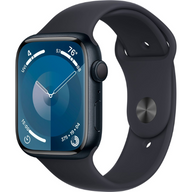
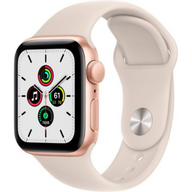
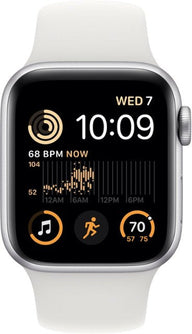
The Apple Watch SE is the practical powerhouse. It delivers all the core features that 90% of users actually need—activity rings, heart rate monitoring, fall detection, and seamless notifications.
On the other end of the spectrum is the Apple Watch Ultra. Built with an aerospace-grade titanium case and a flat sapphire crystal face, it is designed to take a beating. It offers satellite-based emergency SOS capabilities and a battery that finally competes with higher-end sports watches under heavy GPS use. However, the Ultra comes with a significantly larger footprint and a premium price tag that may be overkill for casual gym-goers.
GPS vs. Cellular: How Much Independence Do You Need?
One of the most common buying dilemmas is choosing between the GPS-only and GPS + Cellular models. The decision entirely depends on how far you want to roam without your phone.
A standard GPS-only Apple Watch relies entirely on your iPhone for connectivity. In real-world environments, the typical Bluetooth range is roughly 30 to 50 feet. As long as your iPhone is within that radius, you receive all texts, calls, and app notifications. The watch will also extend its range if both the watch and phone are connected to the same Wi-Fi network.
Upgrading to a Cellular model gives your watch true independence. Because it connects directly to your carrier's LTE network, your range is virtually unlimited. You can leave your iPhone at home, go for a five-mile run, stream music, and still take emergency calls. If you frequently exercise outdoors and want the safety of connectivity without carrying a phone, the cellular upgrade is highly recommended.
The Plug Certified Advantage: Maximizing Your Tech Budget
The biggest barrier to getting exactly what you want is often the retail price of new tech. Many consumers settle for a lower-tier model or a different brand simply because a brand-new top-tier Apple Watch feels too expensive.
This is where buying a Plug Certified Apple Watch shifts the entire evaluation process.
By choosing a device certified by Plug, you bypass the massive retail markup of a brand-new device without sacrificing quality or peace of mind. Every device undergoes a rigorous testing and certification process, ensuring that the battery health, sensors, and displays perform flawlessly.
More importantly, it removes the perceived risk of the pre-owned market. Instead of gambling on a used device from a random seller, you are backed by Plug's 12-Month Warranty and a 30-day hassle-free return policy. This means you can often afford a Cellular model or even an Ultra for the price you would have paid for a basic new retail unit.
Frequently Asked Questions (FAQ)
Can I use an Apple Watch if I don't have an iPhone?No. To set up and use an Apple Watch, you must have an iPhone. If you use an Android smartphone, a Garmin or Fitbit is a much better choice for your ecosystem.
Are the fitness trackers on the Apple Watch accurate compared to Garmin?Yes, the core sensors (heart rate, GPS mapping) on the Apple Watch are incredibly accurate. The difference lies in the software. Garmin interprets the data to give you detailed coaching metrics for endurance sports, while Apple focuses on general activity rings and overall health trends.
Is a Plug Certified Apple Watch waterproof?While Apple Watches are designed to be water-resistant, it is important to remember that water resistance degrades over time on all electronics. A Plug Certified device maintains the physical integrity of the original watch, making it perfectly fine for heavy sweat and rain, though extreme water sports should be approached with caution on any pre-owned device.
Will I have to pay a monthly fee for the Cellular Apple Watch?Yes. While the watch itself connects to cellular networks, your mobile carrier (like AT&T, Verizon, or T-Mobile) will typically charge a small monthly fee—usually around $10—to add the watch to your existing data plan.
Making Your Final Decision
Finding the right smartwatch shouldn't feel like a compromise. If your priority is multi-day battery life and granular marathon-training data, a Garmin will serve you well. But if you want a device that acts as a seamless extension of your iPhone, offers life-saving health alerts, and motivates daily movement, the Apple Watch remains the industry standard.
You don't have to overpay to get the exact model and connectivity features you want. By exploring Plug Certified devices, you can upgrade your wrist tech confidently, knowing your purchase is protected by Plug's 12-Month Warranty. Explore the lineup today and find the watch that matches both your lifestyle and your budget.


