






Is a Boost Mobile Plan Right for Light Data Users & Students?
Updated on | 8 mins readIs a Boost Mobile Plan Right for Light Data Users & Students?
If you are a student, a remote worker, or just someone who spends most of their day hopping from one Wi-Fi network to the next, you might want to pull up your latest cell phone bill. Take a close look at how much cellular data you actually used last month.
Chances are, you’re paying for a massive, expensive "unlimited" data plan, but only using a fraction of it.
For light data users, the mobile landscape can feel like being forced to buy a buffet dinner when all you really wanted was a quick snack. This is exactly why prepaid carriers like Boost Mobile have become increasingly popular alternatives. But before you make the switch, it is crucial to understand how these plans actually work behind the scenes.
Let's break down the reality of mobile data, decode the industry jargon, and figure out if a budget-friendly mobile plan is the right fit for your lifestyle.
The "Wi-Fi First" Lifestyle: Why You Might Be Overpaying
Think about your typical daily routine. If you are a college student, you likely wake up connected to your dorm Wi-Fi, walk across campus to a lecture hall with university Wi-Fi, study in a library with its own network, and maybe grab coffee at a café that also offers free internet.
In this scenario, your phone only relies on cellular data during the short walks between buildings or on your commute. If your cell phone usage mostly consists of sending iMessages, checking emails, and scrolling through social media while connected to a router, you are what the telecom industry calls a "light data user."
Despite this, many consumers remain trapped in premium $70 to $90 monthly plans because of a widespread fear of "running out of data."
Decoding Cell Phone Jargon: What Does "Unlimited" Actually Mean?
To understand if a carrier like Boost Mobile is right for you, we first need to translate some of the most confusing terminology in the telecom world.
The MVNO Reality
Boost Mobile is what is known as an MVNO, or a Mobile Virtual Network Operator. Instead of building their own cell towers across the country, MVNOs rent space on the towers of major networks. Think of it like renting a fantastic apartment in a luxury building; you get to enjoy the premium amenities, but you pay a much lower rate than the person who owns the penthouse.
Premium Data vs. Throttled Data
When you see a prepaid plan marketed as "Unlimited," there is almost always a small asterisk attached. In the world of budget mobile plans, "unlimited" refers to unlimited access to the network, not unlimited high-speed data.
Carriers provide a specific bucket of "Premium Data" (also known as high-speed data). Once you use up that bucket, you aren't cut off from the internet, but your speeds are "throttled" or slowed down significantly.
The Buffet Analogy: Imagine going to an all-you-can-eat buffet. The first three plates (your premium data) feature prime rib and lobster. But once you finish those, the restaurant will only let you eat side salads (your throttled data). You are still eating (connected to the internet), but the experience is much slower and less exciting.
Breaking Down the Plan Tiers for Light Users
Boost Mobile offers several plan tiers that are highly attractive to students and light users, provided you pick the one that matches your actual habits.
The 5GB Plan: The Ultimate Budget Saver
- Who it is for: The ultra-light user who is almost always on Wi-Fi.
- What 5GB gets you: Plenty of data for GPS navigation, checking emails, sending text-based messages, and light web browsing.
- The Catch: 5GB will disappear quickly if you stream high-definition video or download large files while away from Wi-Fi.
The 15GB Plan: The Sweet Spot
- Who it is for: Commuters and typical students.
- What 15GB gets you: This offers a comfortable cushion. You can stream Spotify on your commute, scroll through TikTok on your lunch break, and use social media without constantly checking your data gauge.
The 30GB Plan: The Safety Net
- Who it is for: Users who occasionally travel, lack reliable home Wi-Fi, or need to use their phone as a mobile hotspot for their laptop.
- What 30GB gets you: Often marketed as Boost's entry-level "unlimited" plan, this provides 30GB of high-speed premium data before any throttling occurs.
How to Maximize Your Mobile Budget
Choosing a cost-effective data plan is only one half of the equation for savvy, budget-conscious users. The true "aha moment" comes when you pair an affordable monthly plan with an affordable, high-quality device.
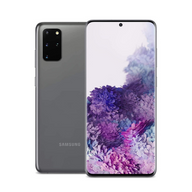
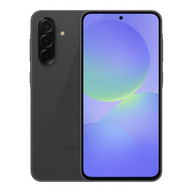
It defeats the purpose of saving $40 a month on your cell phone bill if you are simultaneously paying off a $1,200 brand-new smartphone. This is where choosing a Plug Certified device makes perfect sense for the budget-conscious student.
By purchasing a reliable, certified by Plug iPhone or Android, you own your device outright. You aren't tied down to a three-year financing contract with a major carrier, which gives you the freedom to choose a budget-friendly prepaid plan like Boost Mobile. Best of all, because every device is backed by Plug's 12-Month Warranty and includes 30-day hassle-free returns, you get the premium technology experience without the premium price tag.
Insider Tips for Prepaid Users:
- Embrace AutoPay: Most prepaid carriers, including Boost, offer significant monthly discounts if you enroll in AutoPay. It is an easy way to shave a few extra dollars off your bill.
- Download for Offline Use: Before leaving your dorm or house, download your Spotify playlists and Netflix episodes over Wi-Fi. This simple habit can save gigabytes of cellular data each month.
- Monitor Background Apps: Go into your phone's settings and turn off "Background App Refresh" for apps you don't frequently use. Many apps silently drain your cellular data even when your phone is locked.
Frequently Asked Questions (FAQ)
What happens when I hit my data cap on a budget plan?
If you exceed your premium data allotment (for example, using more than 30GB on a 30GB plan), your speeds will be throttled. You will still be able to send basic emails, use iMessage, and load simple web pages, but streaming high-quality video or making FaceTime calls will become frustratingly slow and prone to buffering.
Can I use my phone as a mobile hotspot for my laptop?
Yes, most Boost Mobile plans include mobile hotspot capabilities, which is a lifesaver for students when the library Wi-Fi suddenly drops. However, it is vital to know that hotspot usage pulls directly from your monthly data allotment. If you have a 15GB plan and use 5GB as a hotspot, you only have 10GB left for your phone.
Will my service be slower in crowded areas?
Because MVNOs rent space on major networks, they are subject to "deprioritization." If you are at a crowded football stadium or a packed music festival, the major network will prioritize its direct, premium-paying customers first. As a prepaid user, your data speeds might temporarily slow down until the network congestion clears.
Do I need a specific phone to use a Boost Mobile plan?
No! You just need an "unlocked" device. This is another reason why buying an unlocked, Plug Certified iPhone is a strategic move. An unlocked phone gives you the freedom to pop in a Boost Mobile SIM card (or any other carrier's SIM card) and activate service immediately.
Next Steps: Crafting Your Perfect Mobile Setup
Before you make any decisions, open the settings app on your current smartphone. Look for the "Cellular" or "Network" tab, and check your actual data usage from the last billing cycle. The number might surprise you.
If you discover that you are only using 8GB of cellular data a month, it might be time to rethink your mobile strategy. By combining a light-data prepaid plan with an affordable, high-quality Plug Certified device, you can easily save hundreds of dollars a year—money much better spent on textbooks, late-night pizza, or saving for your future.


