










Avoiding Compatibility Headaches: Finding the Right Apple Pencil for Your iPad
Updated on | 11 mins readPicture this: You’ve just unboxed a shiny new digital stylus you found online for a suspiciously low price. You’re ready to start sketching out your next big idea or taking flawless digital notes. You tap the screen, and… nothing happens. Or worse, it connects, but your handwriting looks like a jagged mess, and every time the side of your hand touches the screen, the app goes crazy.
If you’ve ever experienced the frustration of a third-party stylus failing to do the one job it was built for, you are not alone.
Navigating the world of iPad accessories can feel like trying to solve a puzzle where the pieces keep changing shapes. Over the years, Apple has released multiple versions of the iPad, iPad Air, iPad mini, and iPad Pro—alongside four entirely different versions of the Apple Pencil. Mixing and matching them without knowing the rules is a one-way ticket to a compatibility headache.
But don't worry. In this guide, we are going to untangle the web of iPad compatibility together. By the time you finish reading, you’ll know exactly which tool matches your device, why generic styluses often fall short, and how opting for a Plug Certified Apple Pencil guarantees a seamless, frustration-free experience.
The Stylus Struggle: Why Compatibility Matters
To understand why compatibility is so tricky, we have to look at the technology inside the screen.
When you use your finger to swipe on your iPhone or iPad, the device uses a capacitive touch screen to register the electrical current from your skin. Early generic styluses simply mimicked this current with a squishy rubber tip. They were essentially just "finger replacements."
The Apple Pencil changed the game entirely. It communicates directly with the iPad's display via Bluetooth and specialized screen digitizers to deliver features that digital artists and note-takers consider non-negotiable:
- Palm Rejection: The ability to rest your hand on the screen while writing without leaving stray marks.
- Pressure Sensitivity: Pressing harder creates a thicker line, exactly like a real pencil.
- Tilt Support: Angling the pencil creates wide strokes for shading.
- Hover: Seeing exactly where the tip will land before it even touches the glass.
The problem? Not every iPad has the hardware to support every Apple Pencil. And cheap, generic styluses often lack the internal tech to communicate with the iPad at all, resulting in laggy, skipped lines and constant Bluetooth disconnects.
This is where the magic of a Plug Certified device comes in. Instead of crossing your fingers and hoping a random accessory works, a Plug Certified Apple Pencil guarantees you are getting rigorously tested, genuine technology that seamlessly integrates with your specific iPad.
Breaking Down the Apple Pencil Lineup
Let’s eliminate the guesswork. Here is a clear, jargon-free breakdown of the Apple Pencil family and the specific iPad models they call home.
1. Apple Pencil (1st Generation)
The Pioneer: Easily recognized by its perfectly round shape, glossy finish, and the removable cap that reveals a Lightning connector. The Features: Offers excellent pressure sensitivity and tilt support. It charges by plugging directly into the bottom of the iPad (or via an adapter).Works Best With:
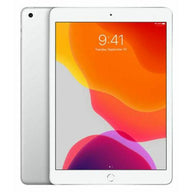
- iPad (6th, 7th, 8th, 9th, and 10th generation - Note: 10th Gen requires a USB-C to Apple Pencil adapter)
- iPad Air (3rd generation)
- iPad mini (5th generation)
- Older iPad Pro models (12.9-inch 1st/2nd Gen, 10.5-inch, 9.7-inch)
2. Apple Pencil (2nd Generation)
The Fan Favorite: This model features a matte finish and a flat edge that magnetically snaps to the side of the iPad for automatic pairing and wireless charging. The Features: Everything the 1st Gen has, plus a double-tap feature to easily switch between tools (like switching from a pen to an eraser).Works Best With:
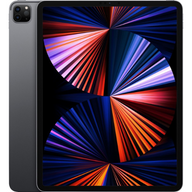
- iPad Pro 12.9-inch (3rd, 4th, 5th, and 6th generation)
- iPad Pro 11-inch (1st, 2nd, 3rd, and 4th generation)
- iPad Air (4th and 5th generation)
- iPad mini (6th generation)
3. Apple Pencil (USB-C)
The Budget-Friendly Note Taker: Released as an affordable alternative, this pencil looks like the 2nd Gen but hides a USB-C charging port under a sliding cap. The Features: It snaps to the side of the iPad magnetically for storage but must be plugged in via a USB-C cable to pair and charge. Crucial Note: This model does not have pressure sensitivity, making it perfect for taking notes or navigating, but less ideal for professional artists.Works Best With:
- Any iPad with a USB-C port (iPad 10th Gen, recent iPad Air, iPad mini 6, and recent iPad Pros).
4. Apple Pencil Pro
The Ultimate Creative Tool: The newest addition to the lineup. It looks identical to the 2nd Gen but is packed with new internal sensors.The Features: Squeeze gestures to bring up tool palettes, "Barrel Roll" (rotating the pencil changes the shape of the pen stroke), and haptic feedback (a gentle vibration when you take certain actions). Works Best With:
- iPad Pro (M4) - 2024 models
- iPad Air (M2) - 2024 models
How to Identify Your Exact iPad Model
The most common mistake people make is guessing their iPad model based on when they bought it. To avoid buying the wrong Pencil, take ten seconds to verify your exact model:
- Open the Settings app on your iPad.
- Tap General, then tap About.
- Look for Model Name (e.g., "iPad Air (4th generation)").
Once you have that exact name, matching it to the list above ensures 100% compatibility.
The "Aha Moment": Why Plug Certification Changes Everything
When shopping for tech accessories, it's tempting to look for workarounds. You might see a $20 stylus on a marketplace and think, "It looks exactly like the real thing, why not?"
Here is the hard truth about non-certified third-party styluses:
- They rarely support genuine pressure sensitivity.
- Their batteries degrade quickly.
- Apple software updates frequently render them completely unusable.
This is the exact problem Plug was founded to solve. We believe you shouldn't have to choose between paying premium retail prices and risking your money on unreliable knock-offs.
When you choose a Plug Certified Apple Pencil, you are getting a genuine device that has been through a rigorous testing and certification process. Our experts ensure the battery health is robust, the Bluetooth pairing is instantaneous, and the specialized sensors for tilt and pressure are working flawlessly.
Best of all? It bridges the gap between affordable tech and peace of mind. Because it is certified by Plug, it comes with Plug's 12-Month Warranty. If something isn't working as intended, you aren't left stranded—you are fully covered.
Troubleshooting: Getting the Most Out of Your Setup
Even with the perfect pairing, you might occasionally run into a minor hiccup. Here are a few expert tips to keep your digital workspace running smoothly:
"My Apple Pencil isn't writing smoothly or is skipping lines."Most of the time, this isn't a software issue—it's a physical one. The tip of the Apple Pencil is designed to slowly wear down over time to protect your screen. If you see metal poking through the white plastic tip, simply unscrew it and screw on a replacement tip.
"My Pencil won't connect to my iPad."First, ensure your Bluetooth is turned on. If you're using a 2nd Gen Pencil, ensure the magnetic connection point on the side of your iPad is clean and free of debris. If it still won't connect, go to your Bluetooth settings, tap the "i" next to the Apple Pencil, and select "Forget This Device." Then, reattach or plug in your Pencil to pair it from scratch.
"My battery drains when I'm not using it."The Apple Pencil is constantly active to ensure it's ready the second you pick it up. For the 2nd Gen, leaving it attached to the magnetic strip is actually the healthiest way to store it, as it manages its own battery optimization.
Frequently Asked Questions
Do all Apple Pencils work on all iPads?
No. Because of the different screen digitizers and charging methods (Lightning vs. Magnetic vs. USB-C), Apple Pencils are strictly compatible only with specific iPad models. Always check your exact iPad generation before purchasing.
What is the difference between a generic stylus and a Plug Certified Apple Pencil?
A generic stylus often uses basic capacitive touch, meaning it acts just like your finger—without palm rejection or pressure sensitivity. A Plug Certified Apple Pencil is a genuine Apple device that has been tested and certified by Plug to guarantee flawless integration, full feature support, and is backed by Plug's 12-Month Warranty.
Does the USB-C Apple Pencil have pressure sensitivity?
No. The USB-C Apple Pencil supports tilt sensitivity and palm rejection, but it lacks pressure sensitivity. If you are a digital artist who relies on pressing harder to create thicker lines, you will want the 1st Gen, 2nd Gen, or Pro model (depending on your iPad).
What does "Plug Certified" actually mean?
It means the device has undergone a comprehensive multi-point inspection by our technical team. It is tested for battery health, cosmetic appearance, functionality, and connectivity, ensuring it meets our rigorous quality standards before it ever reaches your hands.
Your Next Steps to Digital Mastery
The iPad is incredibly powerful, but it truly comes alive when paired with the right Apple Pencil. Whether you are using it to take meticulous notes in college, draft architectural blueprints, or just unwind with a digital coloring book, having a tool that responds instantly to your thoughts is a game-changer.
You no longer have to navigate the confusing maze of compatibility on your own, and you certainly don't have to settle for frustrating, unreliable third-party knock-offs. By identifying your exact iPad model and matching it to a reliable, fully tested accessory, you are setting yourself up for success.
Ready to find your perfect match? Explore the complete ecosystem of affordable, reliable, and meticulously tested tech at Plug, and discover how a Plug Certified Apple Pencil can transform your daily workflow.


