










Why Apple Pencil 2nd Gen Doesn't Work with Older iPads: Technical Limitations Explained
Updated on | 10 mins readImagine this scenario: You just got your hands on a sleek, brand-new Apple Pencil (2nd generation). You unbox it, ready to unleash your inner artist, edit photos, or take flawless digital notes. You bring the pencil close to the edge of your trusty, older iPad, expecting that satisfying magnetic click and the digital pairing prompt to pop up on your screen.
Instead… it just rolls off the edge. Nothing happens.
If you’ve found yourself in this exact situation, furiously toggling your Bluetooth on and off or restarting your device to no avail, you are far from alone. The incompatibility between the 2nd generation Apple Pencil and older iPads is one of the most common stumbling blocks for tech users today.
But why exactly does this happen? Is it a software bug, or is Apple just forcing you to upgrade?
The truth comes down to fascinating—and unchangeable—hardware and architectural differences. Let's lift the hood and explore the exact technical limitations that prevent the Apple Pencil 2 from working with older iPads.
The Evolution of the Apple Pencil: A Tale of Two Designs
To understand why the 2nd generation pencil won't work with your older iPad, we first have to look at how these devices were originally designed to communicate.
When the 1st generation Apple Pencil was released, it featured a Lightning connector hidden under a cap at the top. To pair and charge the device, you physically plugged it into the Lightning port at the bottom of the iPad. While slightly awkward (often humorously compared to a popsicle sticking out of the tablet), this physical connection method meant the pairing process was incredibly straightforward. The iPad recognized the hardware directly through the port.
The Apple Pencil (2nd generation) completely rewrote this playbook. Apple removed the Lightning connector entirely, opting for a seamless, wireless experience. But removing that physical plug meant the iPad and the Pencil needed an entirely new way to talk to each other and share power.
The Hardware Hurdles: Why Older iPads Can't Connect
The barrier between your older iPad and the 2nd generation Apple Pencil isn't just a line of code; it comes down to physical components that simply don't exist in older models. Here is a breakdown of the three main hardware limitations.
1. Magnetic Charging and the Missing Inductive Connector
The most obvious feature of the Apple Pencil 2 is its ability to snap onto the side of an iPad to charge. This isn't just simple magnetism; it's a complex process called inductive charging.
Inside the flat edge of a compatible iPad, there is a specialized magnetic array and a miniaturized wireless charging coil. When you attach the 2nd gen Pencil, these coils align perfectly to transfer power wirelessly.
Older iPads feature curved, tapered edges. More importantly, their internal chassis (the physical frame of the device) is entirely devoid of these inductive charging coils. Without the flat edge to rest on and the internal coil to deliver power, the Apple Pencil 2 has absolutely no way to charge its battery.
2. The Invisible Gatekeeper: Chipset Architecture
Even if you could miraculously keep a 2nd generation Apple Pencil charged, an older iPad still wouldn't know what to do with it.
Pairing a wireless device seamlessly requires specialized internal "brains." Compatible iPads are equipped with specific Apple-designed co-processors on their motherboards. These chips are actively listening for the unique wireless pairing protocol broadcast by the Apple Pencil 2.
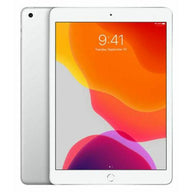
Older iPads—like the standard 9th generation or earlier iPad Pro models—use older chipsets that lack the necessary hardware architecture to recognize this specific wireless handshake. They are essentially speaking two completely different technological languages.
3. Digitizer Differences in the Display
The screen of an iPad isn't just a piece of glass; it contains a complex layer called a digitizer, which registers your touch. The digitizers in newer, compatible iPads are specifically calibrated to read the unique frequencies and pressure-sensitivity signals emitted by the 2nd generation Apple Pencil. Older screens are engineered specifically for the signals emitted by your finger or the 1st generation Pencil.
Why a Software Update Cannot Fix a Hardware Gap
A common question we see on forums and tech communities is: "Can't Apple just release an iOS update to make my older iPad compatible?"
It’s a fair question. We are so used to software updates bringing new life and features to our devices. However, software can only control the hardware that physically exists inside a device.
Think of it like trying to play a cassette tape in a modern laptop. You can update the laptop's software all day long, but until you physically build a cassette player into the machine, it won't work. Because older iPads lack the magnetic charging coils, the necessary internal pairing chips, and the specific display digitizers, no amount of software updates or software workarounds can bridge the gap.
How to Check Your iPad's Compatibility
Before you invest in a new stylus, it's crucial to know exactly which iPad you have. Fortunately, checking your model takes only a few seconds:
- Open the Settings app on your iPad.
- Tap on General.
- Tap on About.
- Look for the Model Name.
The Apple Pencil (2nd generation) requires:
- iPad mini (6th generation)
- iPad Air (4th generation and later)
- iPad Pro 11-inch (all generations)
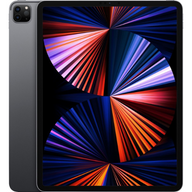
- iPad Pro 12.9-inch (3rd generation and later)
Note: The standard entry-level iPads (like the 9th or 10th generation) do not support the 2nd generation pencil due to the hardware limitations outlined above.
Actionable Next Steps: What to Do If Your Devices Don't Match
If you've discovered that your current iPad and your new Apple Pencil aren't a match, you have a few practical paths forward.
Option 1: Swap to a Compatible Stylus
If you want to keep your current older iPad, the most straightforward solution is to use the Apple Pencil (1st generation), assuming your iPad model supports it. Alternatively, there are many highly-rated third-party styluses on the market that use standard Bluetooth protocols to connect to older models, offering great note-taking capabilities.
Option 2: Consider an Upgrade Path
If you are captivated by the seamless magnetic charging, the double-tap tool switching, and the sleek design of the Apple Pencil 2, it might be time to consider upgrading your tablet.
Upgrading doesn't have to mean paying exorbitant retail prices for a brand-new device. Many cost-conscious consumers and tech enthusiasts choose to bridge the gap by purchasing a Plug Certified device. Because every device is rigorously tested, cleaned, and certified by Plug, you can upgrade to an iPad Air 4th Gen or an iPad Pro with complete confidence—and at a fraction of the cost. Plus, the peace of mind provided by Plug's 12-Month Warranty and a 30-day hassle-free return policy ensures your investment into better technology is fully protected.
Frequently Asked Questions (FAQ)
Can I use a physical adapter to pair an Apple Pencil 2 to an older iPad?
No. Because the 2nd generation Pencil relies entirely on wireless induction for both charging and initial pairing, there is no physical port on the pencil to plug an adapter into.
Will an Apple Pencil 2 work with my iPhone?
No. While an iPhone features an advanced display, it does not include the specific screen digitizer layer required to track an Apple Pencil. Apple Pencils of any generation are exclusively designed for the iPad ecosystem.
I have a 10th Generation iPad; why doesn't the Apple Pencil 2 work with it?
The 10th Gen iPad is an interesting anomaly. While it features the modern, flat-edged design, Apple moved the front-facing camera to the landscape edge of the device. This physical camera hardware occupies the exact space where the magnetic charging coil for the Apple Pencil 2 would normally sit. Therefore, the 10th Gen iPad uses the Apple Pencil (1st generation) or the newer Apple Pencil (USB-C).
Does turning Bluetooth on and off help force a connection?
If the iPad is incompatible with the 2nd gen pencil, no amount of Bluetooth troubleshooting will force a connection. The iPad simply does not have the hardware to "see" the pencil.
Empowering Your Tech Journey
Understanding the "why" behind tech limitations transforms frustration into clarity. The incompatibility between older iPads and the Apple Pencil 2 isn't an arbitrary software block, but a fascinating evolution in hardware design, inductive charging physics, and microchip architecture.
Whether you decide to stick with your trusty older iPad and a 1st Gen Pencil, or you decide it's time to explore affordable, high-performance Plug Certified upgrades, you now have the foundational knowledge to make the best choice for your digital lifestyle.
Ready to explore devices that match your creative ambitions? Discover a smarter way to shop for tech with devices certified by Plug, designed to bring top-tier innovation to your fingertips without the premium price tag.


