



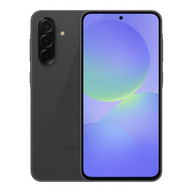


iPhone 18 Pro Max Low-Light Performance: Speculated Sensor and Aperture Upgrades
Updated on | 10 mins readPicture this: You’re at a dimly lit, atmospheric restaurant with friends, or maybe you're standing under a breathtaking twilight sky. You pull out your phone to capture the moment. On your screen, it looks okay, but when you check your camera roll later, the photo is a grainy, blurry disappointment. The shadows are muddy, the highlights from the streetlamps are blown out, and the magic of the moment is completely lost.
If you’ve ever felt this frustration, you aren't alone. Low-light photography is the final frontier for smartphone cameras.
But the tech world is buzzing with anticipation. Rumors surrounding the upcoming iPhone 18 Pro Max suggest Apple is preparing a massive leap forward in how our devices see in the dark. From speculated variable apertures to massive new sensors, the hardware changes on the horizon aren't just incremental updates—they are foundational shifts in smartphone photography.
At Plug, we love geeking out over the mechanics of consumer technology. Whether you’re an everyday snapper or an aspiring photographer, understanding how these rumored upgrades work will completely change how you view your device. Let's break down the science of the iPhone 18 Pro Max’s rumored low-light revolution.
The Challenge of the Dark: Why Smartphone Cameras Struggle
To understand why the rumored upgrades are so exciting, we first need to understand the problem. Photography is entirely about capturing light. In a traditional DSLR camera, you have a massive lens funneling light into a massive sensor.
Smartphones, however, have to abide by the laws of physics while fitting inside your pocket. Tiny lenses and tiny sensors mean less light is gathered. When a camera doesn't get enough light, the software has to artificially boost the signal. This artificial boost is what creates "noise"—that ugly, digital grain that ruins your night photos.
To fix this, smartphone manufacturers can't just rely on software tricks anymore. They need physical hardware upgrades.
The Rumored Game-Changers: Hardware Innovations
Industry analysts and supply chain leaks point to three major hardware upgrades coming to the iPhone 18 Pro Max camera system. Here is how they work together to conquer the dark.
1. Variable Aperture: A First for iPhone
For years, iPhones have utilized a fixed aperture. The aperture is the opening in the lens that lets light pass through to the sensor. Think of it like the pupil of your eye. When you walk into a dark room, your pupil expands to let in more light. When you step out into bright sunshine, it shrinks.
Currently, an iPhone's "pupil" is permanently stuck at one size. It relies entirely on software to handle changing light conditions.
Rumors suggest the iPhone 18 Pro Max will feature a variable aperture on its main camera. This means the lens will have physical, moving blades that can open wider in low-light situations to physically let more photons hit the sensor.
- The Result: Superior exposure control, less reliance on artificial software boosting, and dramatically reduced noise in your evening shots. It also promises a more natural, optical background blur (bokeh) that rivals professional cameras.
2. Supersized Sensors: Catching Every Photon
If the aperture is the pupil letting light in, the sensor is the retina capturing the image.
Imagine trying to catch rain in a shot glass versus catching it in a bucket. The bigger the bucket, the more rain you catch. In the camera world, a larger sensor has larger individual pixels (the buckets) that can capture more light (the rain) in a fraction of a second.
The iPhone 18 Pro Max is heavily rumored to feature a larger main sensor. By increasing the physical footprint of the sensor, the camera can absorb more light information before the shutter closes.
- The Result: Massive improvements in dynamic range. This means your camera will be able to capture the deep, dark shadows of a night scene while simultaneously preserving the details in bright streetlights or neon signs, without either turning into a blown-out mess.
3. Next-Gen Pixel Binning: The Power of Teamwork
What happens when you can't make the sensor any bigger because the phone is already too thick? You get clever with how the pixels behave. Enter pixel binning.
Pixel binning is a brilliant piece of technology where the camera groups smaller, adjacent pixels together to act as one giant "super-pixel." If the iPhone 18 Pro Max features an ultra-high megapixel count (like 48MP or higher), it can combine groups of four or even nine pixels together in low-light situations.
Instead of 48 million tiny buckets struggling to catch light, the camera instantly transforms them into 12 million massive buckets.
- The Result: An incredibly sharp, bright 12-megapixel photo with crystal clarity. The "teamwork" of these pixels cancels out digital noise, resulting in smooth, vibrant night photos that look incredibly clean.
Hardware Meets Software: The Computational Magic
It’s easy to focus solely on the physical hardware, but the real magic of modern tech happens when hardware and software shake hands.
Apple’s image processing—often referred to as computational photography—is already world-class. When you take a photo on a modern iPhone, it actually takes several photos at different exposures in a matter of milliseconds and merges the best parts of each into one final image.
With a variable aperture, a larger sensor, and next-gen pixel binning feeding better, cleaner data into Apple's processor, the software has to do less "guessing." When the software doesn't have to fight through digital grain to figure out what a shadow looks like, the resulting image is incredibly lifelike, clear, and rich in color.
What This Means for Your Everyday Photography
You don't need to be a professional photographer to benefit from these advancements. Here is how these specs translate to real life:
- No More Motion Blur: Better light intake means the camera's shutter doesn't have to stay open as long. This means you can finally capture moving subjects—like pets or dancing friends—in low light without them turning into blurry ghosts.
- True-to-Life Concert Photos: The improved dynamic range will easily balance the blinding stage lights with the dark crowd, giving you photos that actually look like what your eyes saw.
- Confidence in Auto-Mode: You won't need to fiddle with manual exposure sliders. The combination of variable aperture and smart processing means you can just point, shoot, and trust the device.
Frequently Asked Questions (FAQ)
Q: Will the iPhone 18 Pro Max replace my DSLR camera? While smartphone cameras are closing the gap, a true DSLR or mirrorless camera still has physical advantages, primarily massive sensors and interchangeable lenses. However, for 99% of everyday scenarios—including challenging low-light environments—the rumored specs of the iPhone 18 Pro Max will make it the only camera most people will ever need.
Q: Does variable aperture happen automatically, or do I have to adjust it? Based on how variable apertures have been implemented in other smartphones, it will likely be entirely automatic for casual shooting. The camera will detect the lighting conditions and adjust the aperture on the fly. However, "Pro" users will likely have the option to manually control it in the camera settings.
Q: Is it worth upgrading immediately for these features? If photography is your primary use case, these rumored hardware shifts are highly significant. However, it's always a matter of personal budget and need. If you want incredible tech without the premium price tag of a brand-new release, exploring a Plug Certified device from a previous generation is a fantastic way to get amazing camera quality today.
Q: How do larger sensors affect the design of the phone? The trade-off for larger sensors is usually a larger camera bump on the back of the phone. Physics demands space, so as camera technology improves, camera modules tend to get slightly thicker!
Looking Ahead: Your Next Steps in Tech Exploration
The rumored low-light upgrades for the iPhone 18 Pro Max highlight an exciting truth: we are entering an era where our pocket-sized devices can virtually see in the dark. The marriage of variable aperture lenses, larger sensors, and intelligent pixel binning is going to make capturing your favorite evening memories easier and more beautiful than ever.
Staying educated on these technological leaps helps you make informed decisions about your tech ecosystem. Whether you are eagerly awaiting the latest releases to hit the shelves or looking for high-quality, affordable alternatives, knowing what's under the hood empowers you as a consumer.
At Plug, we believe top-tier technology should be accessible and reliable. That's why every device we offer is rigorously tested and certified by Plug to ensure it meets our strict quality standards. And because we want you to capture memories with total peace of mind, every device is backed by Plug's 12-Month Warranty.
Technology is constantly evolving, and the best way to keep up is to stay curious. Keep exploring, keep snapping photos, and watch this space as the future of smartphone photography unfolds.


