






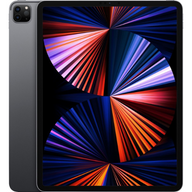




The Invisible Clock Inside Your iPad: How Performance Really Drops Off Over Time
Updated on | 10 mins readBuying an iPad feels a bit like holding a piece of the future. The glass is pristine, the apps open instantaneously, and the battery seems to last forever. But as the months and years tick by, a subtle shift happens. A heavy app takes an extra second to load. The battery dips slightly faster during a movie marathon. Eventually, the latest software update refuses to install.
Why do some iPads feel impossibly slow after just three years, while others hum along perfectly for five or more?
The answer doesn't just lie in how you use the device—it depends heavily on how the device started its journey with you. Whether you buy a brand-new iPad, opt for a Plug Certified device, or take a gamble on a privately used tablet from a stranger, you are stepping into a different timeline of performance aging.
If you want to maximize your investment, reduce electronic waste, and avoid the frustration of a sluggish screen, it is essential to understand the science of performance drop-off. Let's break down exactly how these devices age, focusing on processor speed, battery health, and software longevity.
The Three Paths of iPad Aging
When you are in the market for an iPad, you are generally looking at three distinct categories. Understanding the fundamental differences between them is the first step in decoding how they will age.
- New: Fresh out of the box, with zero battery cycles and maximum software support. You pay a premium for the peace of mind that no one has ever touched it.
- Plug Certified: This bridges the gap between new and used. A device certified by Plug has undergone meticulous testing, cleaning, and restoration. It performs optimally, looks great, and is backed by a protective guarantee, yet costs significantly less than a new unit.
- Privately Used: A secondhand device bought directly from a previous owner. It might look fine on the outside, but its internal components carry the invisible wear and tear of its history.
Decoding the Performance Drop-off
To understand how an iPad ages, we have to look under the hood. There are three main pillars of device longevity: the processor, the battery, and the software.
Processor Fatigue: Is Your iPad Actually Getting Slower?
There is a common misconception that the physical processor inside an iPad degrades and slows down over time. In reality, the A-series chip inside your tablet processes calculations at the exact same speed on day 1,000 as it did on day one.
So, why does an older iPad feel slower?
It comes down to software demands. As app developers release updates with more complex features, higher-resolution graphics, and advanced background processes, they require more processing power.
- The New iPad: Handles these heavier apps effortlessly because its chip was built with future software in mind.
- The Plug Certified iPad: Delivers snappy, reliable performance. Because Plug rigorously tests these devices to ensure peak functionality, you can trust that the processor is uninhibited by underlying hardware faults, allowing it to handle modern apps smoothly.
- The Privately Used iPad: Here is where things get tricky. If a used iPad has underlying hardware damage or has been exposed to extreme heat by its previous owner, it can suffer from thermal throttling—a built-in safety feature where the iPad intentionally slows its processor down to prevent overheating.
Battery Degradation: The Silent Speed Killer
Just like your iPhone, an iPad is powered by a lithium-ion battery. These batteries age chemically. Every time you drain and recharge your battery, it completes a "cycle." Over hundreds of cycles, the battery's ability to hold a charge diminishes.
But chemical aging doesn't just shorten your screen time—it can actually throttle your overall performance. When an old battery can no longer deliver peak power bursts to the processor, the iPad's system intentionally slows down to prevent unexpected shutdowns.
- The Privately Used Risk: When you buy a used iPad from a peer-to-peer marketplace, you inherit its battery debt. A three-year-old heavily used iPad might already be at the end of its chemical lifespan, leading to sluggish app launches and a battery that dies at 20%.
- The Plug Certified Advantage: Devices certified by Plug undergo stringent battery health testing. You are guaranteed a battery that has the capacity to support peak processor performance without the dreaded throttling effect.
The Software Sunset: iPadOS Compatibility
Apple is famous for supporting its devices with software updates for a remarkably long time—typically 5 to 7 years. However, once an iPad stops receiving the latest iPadOS updates, the true performance drop-off begins. Over time, you will find that newer apps require the latest software to download, leaving older devices functionally limited.
When calculating the lifespan of your iPad, you have to consider this "software sunset." Buying a brand-new iPad gives you the longest possible runway. Buying a Plug Certified model that is one or two generations old still gives you many years of full software compatibility, but at a fraction of the price. Privately used devices, especially older models sold incredibly cheap, might already be on the verge of losing update support, making them a poor long-term investment.
The Total Cost of Ownership (TCO) Equation
Savvy technology buyers don't just look at the sticker price; they look at the Total Cost of Ownership. This equation includes the upfront cost, the risk of repair, the expected lifespan, and the environmental impact.
- Upfront Cost vs. Lifespan: A new device has a high upfront cost and a long lifespan. A privately used device has a low upfront cost, but a high risk of needing immediate battery replacement or early replacement due to hardware failure.
- The Sweet Spot: Plug Certified devices offer the most balanced TCO. They drastically lower the upfront cost while mitigating the risks associated with used tech. Plus, every purchase includes Plug's 12-Month Warranty and a 30-day hassle-free return policy. You get the financial savings of buying pre-owned with the peace of mind usually reserved for buying new.
- The Environmental Bonus: By choosing a Plug Certified iPad, you are extending the life of premium electronics and actively reducing e-waste, turning a smart financial decision into an environmentally responsible one.
Your Inspection Checklist: Spotting the Red Flags
If you are exploring the pre-owned market, it is crucial to know how to protect yourself. Before making a purchase, always verify the following:
- Activation Lock: Never buy a used device without ensuring the previous owner has signed out of iCloud. If Activation Lock is on, the iPad is functionally a paperweight. (Plug Certified devices are guaranteed to be fully wiped and unlocked).
- Battery Health: Ask the seller for diagnostic data on battery health. If they can't provide it, assume the battery is heavily degraded.
- Screen Responsiveness: Test all edges and corners of the touch screen. "Dead zones" are common in heavily dropped used devices.
- Warranty Coverage: Does the seller stand by their product? Buying a privately used iPad means taking 100% of the risk. Always look for robust protection, like Plug's 12-Month Warranty.
Frequently Asked Questions (FAQ)
Are Plug Certified iPads slower than new ones?
No! Because processors do not degrade in speed over time, a Plug Certified iPad will perform exactly as swiftly as a new device of the same model. The rigorous testing process ensures that no underlying battery or hardware issues are throttling the device's performance.
How long will a Plug Certified iPad last compared to a new one?
Because they undergo strict quality control, a device certified by Plug will easily match the physical longevity of a new device. The only difference is the software support window, which depends entirely on the specific model year you choose to purchase.
What happens when an iPad stops getting Apple updates?
The device will not stop working overnight. You can still browse the web, watch videos, and use your current apps. However, you won't get new features, security patches, and eventually, third-party apps (like Netflix or YouTube) may stop supporting your older iPadOS version.
Is it safe to buy a used iPad?
Buying privately used iPads comes with high risks regarding battery health, hidden hardware damage, and Activation Lock issues. Choosing a Plug Certified device eliminates these risks, offering rigorously tested tech backed by comprehensive warranties.
Next Steps: Making Your Informed Choice
Understanding how iPads age transforms you from a casual shopper into an empowered tech owner. You now know that a device's longevity isn't just about the physical hardware—it's an intricate dance between processor demands, battery health, and software lifecycles.
You don't always need to pay top dollar for a brand-new device to get premium, long-lasting performance. By recognizing the hidden costs of privately used devices and understanding the massive value embedded in Plug Certified technology, you can make a choice that perfectly balances your budget, your performance needs, and your peace of mind.
Ready to explore what an optimally performing, expertly tested device looks like? Dive deeper into the world of sustainable, high-quality electronics and discover how the right choice today can keep you seamlessly connected for years to come.


